

Make / Model Search
News - JLRJLR targets £1.7b in spending cutsBritish marque looks for savings as tariffs, warranty costs, cyberattacks push it into loss19 May 2026 JAGUAR Land Rover (JLR) will slash spending by £1.7 billion ($A3.5b) over the next two years as the Tata-owned automaker battles mounting warranty claims, US tariff pressure and the fallout from a costly cyberattack.
The British luxury carmaker posted an after-tax loss of £244m ($A457m) for the financial year ended 31 March, as a combination of higher operating costs and sharply lower wholesale volumes dragged the business below its break-even point.
Annual wholesales fell 23 per cent to 307,915 vehicles, down from more than 400,000 a year earlier.
JLR’s CEO Pathamadai Balachandran Balaji said the business needed urgent structural change.
“The business used to have a break-even of about 300,000 to 320,000 vehicles. Of late it has increased, and we now need to bring it back,” he said.
A major contributor to the financial deterioration was warranty expenditure, which rose by £105 million ($A196m) in the fourth quarter alone compared with the prior year.
JLR has long struggled with quality and reliability concerns, particularly around Land Rover models, and recent recalls have added further pressure.
The company’s largest-ever US recall – covering more than 170,000 mild-hybrid vehicles over a DC-to-DC converter fault – added to already elevated repair costs.
JLR chief financial officer Richard Molyneux said repair costs had escalated sharply.
“The cost of repair has shot through the roof, particularly in markets like the US,” he said.
US import tariffs delivered another major hit, costing JLR £114 million ($A213m) in the final quarter alone.
Because the company has no US manufacturing base, all vehicles sold in the market are imported from the UK or Slovakia, leaving it highly exposed to trade policy shifts.
Executives acknowledged some model variants and sales channels had effectively become commercially unviable under current tariff conditions.
The company was also still reeling from a major cyberattack in late 2025 that paralysed production for several weeks.
Analysts estimate the disruption cost JLR more than £1.0 billion ($A1.87b) in lost revenue.
The incident compounded already difficult trading conditions in a year marked by slowing demand, cost inflation and intensifying competition.
JLR says savings will come through reduced fixed costs, lower material expenditure, warranty cost reductions, increased digitalisation, and IT efficiency and operational streamlining.
No workforce reductions have been formally detailed.
Despite the restructuring, JLR says it has no excess manufacturing capacity and is not seeking external production partners, distancing itself from speculation involving Chinese joint venture partner Chery.
Despite the financial pressure, JLR insists its electrification plans remain intact.
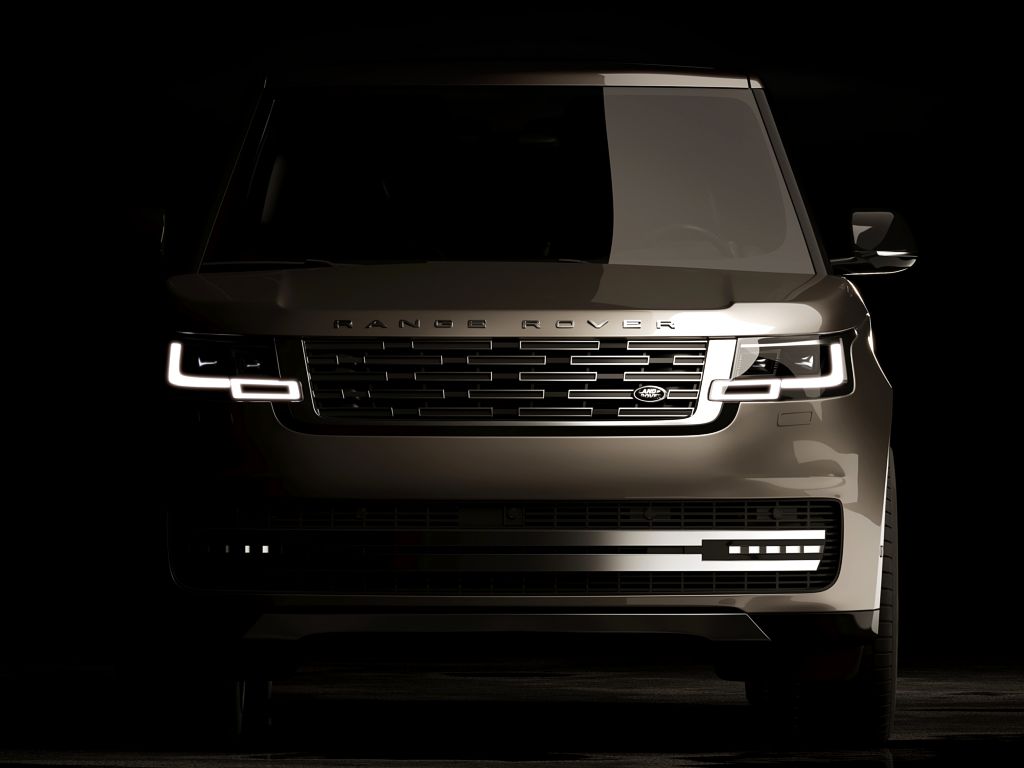
The company will launch several major EVs over the next 12 months, including the electric Range Rover, electric Range Rover Sport, Jaguar Type 01 luxury EV sedan, and a new Range Rover EV on the EMA platform.
Jaguar’s controversial repositioning as an all-electric ultra-luxury brand also continues.
JLR says more than 70 per cent of its volume still comes from high-value Range Rover and Defender models, helping preserve margins despite falling overall sales.
However, the latest results underline how even premium automakers remain vulnerable to quality issues, trade disruptions, and costly strategic transitions.
Auto industry commentators say JLR’s next two years will be less about expansion and more about stabilisation.
 Read more |
Click to shareJLR articlesMotor industry news GoAutoNews is Australia’s number one automotive industry journal covering the latest news, future and new model releases, market trends, industry personnel movements, and international events. |



Connect with us


Facebook Twitter Instagram